Michigan Wine Trail Weekend Getaways: Your Complete Regional Guide
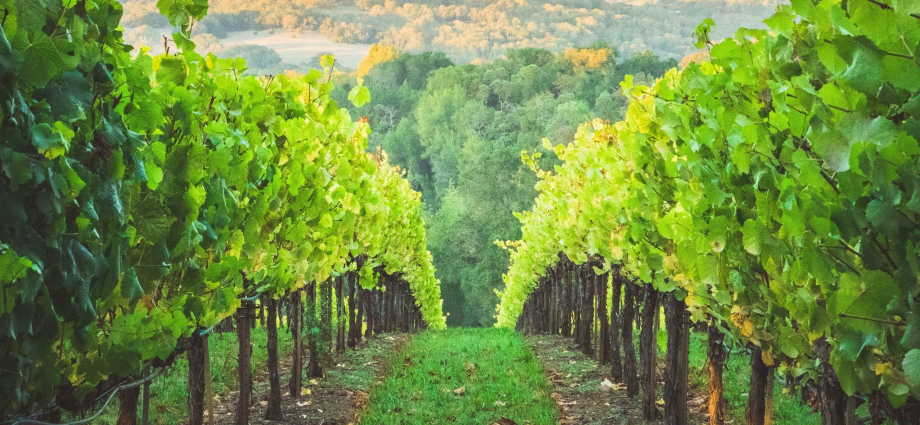
The Michigan wine trail scene surprised me the first time I drove through the rolling vineyards of the Leelanau Peninsula with a car window cracked and the smell of ripening Riesling drifting in from both sides of the road. Michigan wine country is genuinely world-class, and most people outside the Midwest have no idea. The state boasts over 140 wineries, and the unique Great Lakes microclimate creates growing conditions that rival parts of Burgundy and Alsace. Whether you are chasing crisp whites along the Old Mission Peninsula wine trail, exploring Traverse City wineries on a golden October afternoon, or discovering off-the-beaten-path tasting rooms in the southwest corner of the state, a Michigan wine trail weekend is one of the most rewarding getaways you can plan. This guide breaks down the best wine regions, gives you ready-to-use two-day itineraries with lodging picks, and shares the insider tips I wish someone had handed me before my first visit.
Michigan Wine Country at a Glance
Michigan’s wine reputation has been climbing steadily since the 1970s, but the last decade has been a genuine turning point. The state now produces award-winning Riesling, Pinot Grigio, Pinot Noir, and even Cabernet Franc that wine critics take seriously. What makes it work is geography. Lake Michigan acts as a thermal blanket, moderating winter cold and extending the growing season in ways that let delicate grape varieties ripen slowly and develop real complexity.
There are four major wine regions worth planning a weekend around: the Old Mission Peninsula, the Leelanau Peninsula, the Lake Michigan Shore, and the Tip of the Mitt area near Petoskey. Each has a distinct personality, a different dominant varietal, and a completely different vibe when it comes to tasting room culture. Northern Michigan leans elegant and scenic. Southwest Michigan leans bold and accessible. Both are worth your time.
For trip planning, I always start with Pure Michigan, which keeps a regularly updated winery directory organized by region. Then I build my itinerary from there, usually aiming for three to four tasting stops per day to keep the experience enjoyable rather than exhausting.
Insider Tip: Book tasting reservations at least two weeks ahead for any summer or fall weekend visit, especially on the Old Mission Peninsula. Several of the most sought-after spots, like Brys Estate and Chateau Chantal, fill up fast. Calling directly sometimes surfaces cancellation slots that don’t appear online.
Old Mission Peninsula Wine Trail: 2-Day Itinerary
The Old Mission Peninsula stretches eighteen miles into Grand Traverse Bay like a thin green finger, and the view from the road never stops being beautiful. The Old Mission Peninsula wine trail runs along the spine of the peninsula and collects a handful of wineries that I genuinely believe produce some of the best cool-climate whites in the country. The cherry orchards, the bay glittering on both sides, and the small-town farmstand energy make this feel like Napa without the attitude.
Day One: Arrival and the Southern Stretch
Start your trip by rolling into Traverse City on a Friday afternoon. Get settled, grab dinner downtown on Front Street, and save the wine for Saturday when you are fresh. Saturday morning, drive north on Center Road and stop first at Bowers Harbor Vineyards, where the tasting room is tucked inside a restored Victorian mansion surrounded by lavender beds. The smell alone is worth the stop. Their Pinot Grigio is clean and mineral-driven, perfect for a late-morning sip on their patio overlooking the east arm of Grand Traverse Bay.
By early afternoon, push further north to Chateau Chantal, a winery and inn perched on a hillside with panoramic bay views that make it almost impossible to leave. Their Sparkling Riesling is my personal benchmark for Michigan bubbly. Pair it with the cheese board and plan to linger. Round out the afternoon at Brys Estate, which makes a Pinot Noir that drinks well above its price point and has a tasting barn that feels warm and unpretentious even on crowded weekends.
Day Two: Northern Tip and the Drive Back
Sunday, drive all the way to the Mission Point Lighthouse at the northern tip, which is free to walk around and looks exactly like a postcard. Then wind back south through a stop at Chateau Grand Traverse, the oldest winery on the peninsula and still one of the most consistent. Their late-harvest Riesling is legendary. Pick up a bottle to bring home and stop for a pie at one of the farmstands on your way back toward Traverse City before heading out.
Where to Stay: Chateau Chantal offers rooms and suites right on the vineyard, which is the obvious romantic pick. For something more budget-friendly, the Michigan glamping options near Traverse City include some beautifully appointed canvas cabins within fifteen minutes of the wine trail.
Leelanau Peninsula Wine Trail: 2-Day Itinerary
Just west of Traverse City across the Boardman River, the Leelanau Peninsula feels a little wilder and less polished than Old Mission, and I mean that as a compliment. The Michigan wine trail continues here with about two dozen wineries spread across cherry country roads, tiny harbor towns, and dune-backed shoreline that occasionally makes you forget you are not in coastal Provence.
Day One: Suttons Bay to Leland
Base yourself in the village of Suttons Bay on Friday night. It has just enough restaurants and a genuinely good bookshop to keep you entertained. Saturday morning, start at Shady Lane Cellars, a family operation with a barn tasting room that smells like cedar and old oak barrels the moment you push open the door. Their Bordeaux-style blend is the surprise of the peninsula. Continue north to Black Star Farms, where the cider and cheese production happening alongside the winery make it feel like an entire agricultural ecosystem packed into one property. The inn there is gorgeous if you want to stay on site.
Leland is worth a slow afternoon stroll through Fishtown, the cluster of weathered fish shanties that now house galleries and smoked fish shops. Grab whitefish dip and a bottle of something from L. Mawby Winery, which specializes entirely in sparkling wines and is one of Michigan’s genuinely original voices in the category.
Day Two: Northport and the Scenic Drive Home
Sunday, drive north to Northport and visit Forty-Five North Vineyard and Winery before heading back south along M-22, which is arguably one of the prettiest drives in the entire Midwest. The road hugs the Lake Michigan shoreline past Sleeping Bear Dunes, and the contrast between the deep blue of the lake and the pale gold of the dunes in the afternoon light is something I think about during gray February weeks when I need a reason to feel optimistic.
Where to Stay: Black Star Farms inn is the splurge option. For something more rustic, look at Michigan cabin rentals near Glen Arbor, which put you within minutes of both the wine trail and the national park.
Insider Tip: The Leelanau Peninsula hits its absolute peak the second and third weekends of October when the cherry trees and hardwoods turn and the afternoon light goes golden-amber. Make reservations three to four months out if you want to snag lodging that weekend. It books up faster than the National Cherry Festival.
Southwest Michigan Wine Country: 2-Day Itinerary
Southwest Michigan wine country does not get the same magazine coverage as Traverse City wineries, and that works in your favor as a visitor. The Lake Michigan Shore wine region runs from the Indiana border up through the towns of Paw Paw, Kalamazoo, and Saugatuck, and it produces some genuinely excellent red wines that the northern regions struggle to ripen. Cabernet Franc, Merlot, and Marquette thrive here.
Day One: Kalamazoo and the Paw Paw Corridor
Kalamazoo is your logical base, and it has great food and an excellent craft beer scene that pairs well with a wine-forward itinerary. Saturday, drive west toward Paw Paw, which calls itself the wine capital of Michigan and backs it up with St. Julian Winery, the oldest and largest winery in the state, and Warner Vineyards right next door. St. Julian’s tasting room is accessible and unpretentious, a great first stop. The sparkling Soleil Blanc is fun and fizzy and perfect for a warm afternoon.
Continue south and west toward Fennville and Fenn Valley Vineyards, a family winery that has been making wine since 1973 and consistently wins medals for its Vignoles. The surrounding farmland and the old-school barn tasting room feel nothing like a Northern Michigan wine trail, but in the best possible way.
Day Two: Saugatuck and the Drive North Along the Lakeshore
Sunday, work your way up to Saugatuck, which is one of the most charming small towns in the state and worth time beyond the wine. Visit Virtue Cider just outside of town if you want a hard cider side trip, then drive through Holland Michigan on your way home. The Lake Michigan beaches between Saugatuck and Holland are spectacular in summer and essentially empty in the shoulder season.
Where to Stay: Saugatuck has excellent bed-and-breakfast options and is a short walk from the harbor. For outdoor-leaning travelers, Michigan camping near Lake Michigan puts you within reach of both the wine trail and some stunning sunsets.
Wine Trail Comparison Table
| Region | Best Varietals | Peak Season | Vibe | Nearest City | Kid-Friendly |
|---|---|---|---|---|---|
| Old Mission Peninsula | Riesling, Pinot Grigio, Chardonnay | July–October | Scenic, romantic, upscale | Traverse City | Moderate |
| Leelanau Peninsula | Pinot Noir, Sparkling, Pinot Grigio | September–October | Rustic, adventurous, artsy | Traverse City | Good (Black Star Farms) |
| Lake Michigan Shore | Cabernet Franc, Merlot, Vignoles | June–September | Relaxed, local, unpretentious | Kalamazoo / Saugatuck | Yes |
| Tip of the Mitt | Riesling, Marquette, Hybrid reds | July–September | Small-town, quiet, scenic | Petoskey / Charlevoix | Yes |
Planning Tips and Best Times to Visit
The Michigan wine trail rewards visitors who plan a little and stay flexible. Here are the practical details I have worked out over multiple trips.
When to Go
Summer weekends from July through early September are the most crowded and the most festive. The weather is reliable, the tasting rooms are lively, and you can combine a wine trail weekend with time on the Michigan beaches without stretching your schedule. Late September and October are my personal favorites. The harvest energy is real, the crowds thin slightly, and the foliage turns the vineyards into something almost otherworldly. If you are visiting Traverse City in early July, check the dates for the National Cherry Festival, which fills every hotel room within twenty miles and requires serious advance planning.
Transportation and Logistics
A dedicated driver or a hired shuttle is the responsible and practical choice for a full day of tasting. Several companies in Traverse City offer wine trail tours by van, which handle logistics and give you an insider narrative along the way. If you are combining a wine trail with a broader Michigan road trip, I recommend building the wine trail days into the middle of your trip so you are not rushing between tastings and a long drive on the same afternoon.
What to Bring
A small cooler for bottles you buy along the way is essential in summer. Most wineries sell wine by the bottle and are happy to wrap them, but a cooler keeps your Riesling from turning into warm soup by the time you reach the third stop. Comfortable walking shoes matter more than you think, especially on gravel vineyard paths. And bring cash for tips at the tasting bar, which is genuinely appreciated and not always expected but always remembered.
Frequently Asked Questions
What is the best Michigan wine trail for first-time visitors?
The Old Mission Peninsula wine trail is the best starting point for first-timers. It is compact enough to cover in two days, the scenery is consistently stunning, and the wineries range from accessible entry-level tasting rooms to more serious estate experiences. You also have the full amenity base of Traverse City nearby for lodging and dining, which makes logistics easy.
How many wineries can you realistically visit in one day?
Three to four wineries is the sweet spot for a full day of tasting. More than that and you start losing track of what you liked and why, which defeats the purpose. I usually plan two stops in the morning, a long lunch, and two stops in the afternoon, ending somewhere with a view so the day finishes on a high note.
Are Traverse City wineries open year-round?
Most Traverse City wineries and Old Mission Peninsula tasting rooms operate year-round, but hours are significantly reduced from November through April. Some smaller operations close entirely in January and February. Always call ahead or check websites before visiting in the off-season. The upside is that a winter visit to a warm tasting room with a fireplace and no crowd is genuinely special.
What grape varieties does Michigan wine country specialize in?
Michigan wine country excels with cool-climate whites, particularly Riesling, Pinot Grigio, and Chardonnay in the north. The southwest Lake Michigan Shore region produces better reds, including Cabernet Franc and Merlot, thanks to warmer temperatures. Hybrid varieties like Marquette, Frontenac, and Vignoles appear across all regions and often deliver the biggest value-to-quality ratio.
Can you combine a Michigan wine trail weekend with other outdoor activities?
Absolutely, and I strongly encourage it. The northern wine regions sit within easy range of Sleeping Bear Dunes, excellent Michigan hiking trails, and some of the best Michigan kayaking rivers in the state. Splitting your days between outdoor adventure in the mornings and tasting rooms in the afternoons is genuinely the ideal formula.
Is the Michigan wine trail good for non-wine drinkers?
Yes, more than you might expect. Most Michigan wineries also produce hard ciders, grape juices, and sparkling grape beverages, and tasting rooms almost always have scenic grounds worth exploring. Many properties double as farm stands or event venues. Black Star Farms on the Leelanau Peninsula is a great example, with cheese, charcuterie, and cider available alongside the wine.
A Michigan wine trail weekend has a way of turning into an annual tradition, which is exactly what happened to me after my first trip to the Old Mission Peninsula. Whether you combine it with a stop at Michigan lighthouses along the bay, spend a morning hunting for Petoskey stones on the beach, or tack on a detour to explore the Michigan hidden gems that most visitors drive right past, the wine trail connects naturally to the best the state has to offer. If you are already a fan of the Traverse City area, discovering the wineries that surround it feels like finding an extra room in a house you already loved. Plan your trip, book a few tasting reservations, pack that small cooler, and go find your new favorite bottle somewhere between a bay view and a barn.