Detroit History: Invented the American Auto Industry AND Motown — Here’s Why Both Legacies Still Blow My Mind
When people ask me where American culture was forged, I always say the same thing: Detroit invented the auto industry and Motown, and no other city on earth can claim two revolutions that massive. I walked those streets last summer with the smell of old motor oil in the air near the riverfront and the ghost of a Supremes melody in my head, and I understood why Detroit history hits differently than anywhere else in Michigan.
This is not a city that quietly contributed to the American story — it detonated it, twice, in ways that reshaped how we move and how we feel. The Detroit you can visit today still carries both of those explosions in its bones. Whether you are tracing the birth of the assembly line or standing in the studio where Diana Ross first recorded her voice, Detroit rewards every curious traveler who shows up ready to pay attention.
How Detroit Became the Motor City
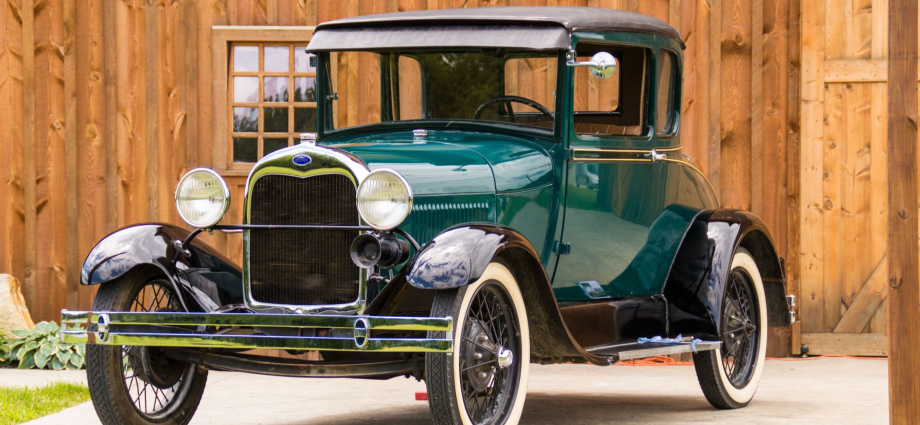
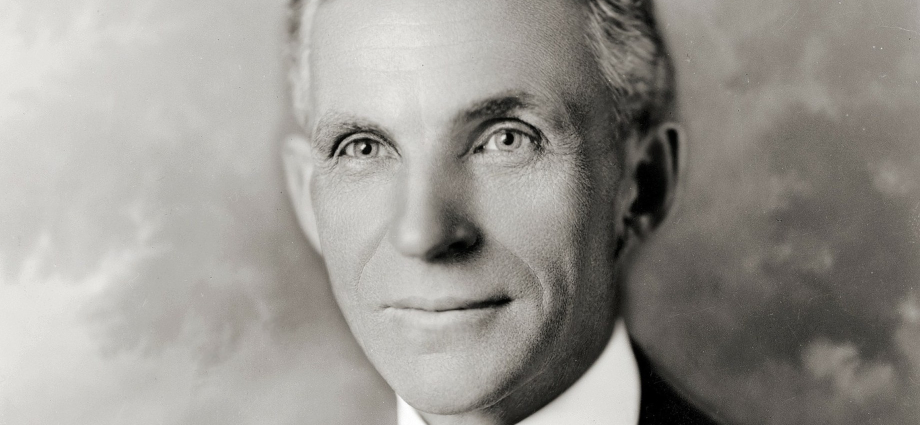
Motor City history begins not with a factory but with a man tinkering in a shed. Henry Ford built his first gasoline-powered Quadricycle in a brick workshop on Bagley Avenue in 1896, and within a decade that tinkering had turned into an industrial machine unlike anything the world had seen. The moving assembly line Ford introduced at the Highland Park plant in 1913 cut the time to build a Model T from over twelve hours to about ninety minutes. Suddenly a car was not a toy for the wealthy — it was a product for everyone, and Detroit was the place making it happen.
The Big Three and What They Built
General Motors, Ford, and Chrysler all planted their roots in southeast Michigan within a few years of each other, and the competition between them drove innovation at a ferocious pace. By the 1950s, auto industry Detroit was producing nearly half of all the cars sold anywhere on the planet. The city’s population swelled past 1.8 million as workers poured in from the American South, from Poland, from Italy, and from dozens of other places looking for a living wage on the factory floor. That demographic mix would matter enormously — it planted the seeds of something else entirely.
Local Insider Tip: If you are driving into Detroit from the west on I-94, exit at Dearborn and spend a morning at the Henry Ford Museum before heading into the city proper. The crowds are much lighter on Tuesday and Wednesday mornings, and the staff docents there are genuinely some of the most knowledgeable people I have ever met at any museum anywhere.
The Auto Industry Museums You Cannot Skip
The Henry Ford Museum of American Innovation
The Henry Ford in Dearborn is the anchor of any serious Motor City history trip. The main building alone covers twelve acres under one roof, and the smell when you walk in — a faint mix of machine grease, old wood, and climate-controlled air — tells you immediately that you are somewhere significant. I spent four hours there and still felt rushed. You can sit inside a Rosa Parks–era Detroit city bus, stand next to the actual chair Abraham Lincoln was sitting in at Ford’s Theatre, and trace the entire arc of American manufacturing through objects you can practically reach out and touch.
Greenfield Village, the outdoor living history museum attached to The Henry Ford, adds another layer. Ford literally had Thomas Edison’s Menlo Park laboratory relocated brick by brick to Dearborn, which tells you everything you need to know about how seriously this place takes preservation. Walk the same paths Edison walked. Watch a glassblower work in a nineteenth-century workshop. The whole experience feels less like a museum and more like stepping sideways in time.
Detroit Historical Museum
Back inside the city, the Detroit Historical Museum on Woodward Avenue gives you the full sweep of auto industry Detroit from a community perspective. The Streets of Old Detroit exhibit recreates nineteenth-century storefronts at street level, and the Frontiers to Factories gallery connects the industrial boom directly to the neighborhoods it built and eventually transformed. Admission is free, which makes it one of the best free things to do in Michigan on any summer itinerary.
How Motown Records Changed American Music Forever
Here is where Detroit history takes a turn that nobody fully predicted. Berry Gordy Jr. was working on the Ford assembly line in the early 1950s, earning enough to fund a passion for music, and he paid close attention to how the line worked. Every station had a job. Every job had a standard. Quality control was not optional. When Gordy borrowed $800 from his family in 1959 and launched Tamla Records — soon renamed Motown Records Detroit — he applied that assembly line logic to making hit records, and the results were world-altering.
The Sound and What Created It
The musicians who recorded at Hitsville U.S.A. on West Grand Boulevard worked under a system Gordy called the Artist Development department, which taught etiquette, choreography, stagecraft, and vocal technique alongside the music itself. The Funk Brothers, the in-house band, played on more number-one hits than the Beatles, the Rolling Stones, and the Beach Boys combined. That warm, punchy, instantly recognizable Motown sound — the syncopated bass lines, the tambourine on the backbeat, the layered female harmonies — came out of one modest two-story house in a residential Detroit neighborhood. When you stand on the sidewalk in front of it today, the scale of what happened inside is almost impossible to process.
Local Insider Tip: Book your Motown Museum tour at least two weeks in advance in summer. The guided tours sell out fast, especially on weekends, and the self-guided option does not give you the same richness of storytelling. The tour guides here grew up with this music and that passion is completely audible in every word they say.
The Motown Museum: Hitsville U.S.A.
Walking into Studio A at the Motown Museum is one of those genuinely electric travel moments. The low ceiling, the hard wood floors, the isolation booth where Stevie Wonder and Marvin Gaye stood holding a microphone — the room is small enough that you immediately understand how intimate the whole operation was. The recording equipment looks modest by modern standards, but the acoustics that the engineers discovered accidentally by working in a residential space turned out to be exactly what the music needed. I stood in the center of that room and felt the hair on my arms stand up.
The museum spreads across two connected houses now, with expanded galleries covering the business history of Motown Records Detroit, the civil rights connections, and the individual stories of artists like the Temptations, the Four Tops, Smokey Robinson, and Martha and the Vandellas. There is a listening room where you can sit and absorb full albums through good headphones, which I highly recommend if you have an extra half hour.
Detroit invented the auto industry and Motown within a few miles and a few decades of each other, and standing in Hitsville U.S.A. you understand that the second revolution was built on the economic foundation of the first. The factory workers who flooded Detroit needed music for their Saturday nights, and Berry Gordy gave them something that ended up speaking to the entire world.
Comparing Both Legacies Side by Side
| Legacy | Key Location | Year It Started | Global Impact | Best Museum |
|---|---|---|---|---|
| Auto Industry | Highland Park / Dearborn | 1896–1913 | Democratized personal transportation worldwide | The Henry Ford, Dearborn |
| Motown Music | 2648 W. Grand Blvd, Detroit | 1959 | Broke racial barriers, defined pop and soul globally | Motown Museum (Hitsville U.S.A.) |
| Combined Legacy | Greater Detroit Metro | Late 1800s–present | Reshaped American industry, culture, and identity | Detroit Historical Museum (free) |
Planning Your Detroit History Weekend
Where to Stay and How to Get Around
I recommend basing yourself in Midtown, which puts you walking distance from the Motown Museum and easy driving distance from Dearborn. The Woodward corridor is your spine — everything important in Motor City history runs along or near it. If you time your visit right in August, the Woodward Dream Cruise turns the entire boulevard into a rolling automotive museum, with more than a million people lining the street to watch vintage cars rumble past. It is one of the most singularly Detroit experiences you can have.
Pairing Detroit with a Broader Michigan Road Trip
Detroit history is a phenomenal anchor for a larger Michigan itinerary. Many visitors pair a Detroit weekend with a drive north toward Traverse City for cherry orchards and dunes, or push further north to Mackinac Island for a completely different slice of Michigan character. If the natural side of the state calls to you, a Michigan road trip connecting Detroit to the Sleeping Bear Dunes along the Lake Michigan shoreline is a classic itinerary that balances urban history with stunning outdoor scenery. For the truly adventurous, keep driving north to Pictured Rocks and the Upper Peninsula for a trip that feels like two different countries in one state.
For families, Detroit pairs beautifully with kid-friendly Michigan destinations — check out our full list of the best Michigan with kids ideas for help building an itinerary everyone will remember.
For more trip inspiration across the state, Pure Michigan maintains a comprehensive events and travel calendar worth bookmarking before your visit.
Frequently Asked Questions: Detroit History
Why is Detroit called the Motor City?
Detroit earned the Motor City nickname because it became the undisputed center of American automobile manufacturing in the early twentieth century. Ford, General Motors, and Chrysler all established major operations in the Detroit metro area, and by the mid-1900s the region was producing roughly half of all vehicles made in the world. The nickname stuck because no other city has ever come close to matching Detroit’s dominance in auto industry history.
Where exactly did Motown Records start in Detroit?
Motown Records Detroit launched at 2648 West Grand Boulevard in 1959, in a modest two-story house that Berry Gordy Jr. purchased and converted into a recording studio. The building, known as Hitsville U.S.A., is now the Motown Museum and is open for guided and self-guided tours. It sits in a residential neighborhood that looks almost exactly as it did when Diana Ross and Stevie Wonder were recording there in the 1960s.
Is the Motown Museum worth visiting?
Absolutely, and I say that as someone who visited somewhat skeptically. Studio A alone is worth the admission price — standing in the actual room where so many of the greatest pop and soul recordings in history were made is a genuinely moving experience. The guided tours add significant context and the guides bring real personal passion to the storytelling. Plan at least ninety minutes and book your ticket in advance.
How do I combine Detroit history with the rest of Michigan?
Start with a two-day Detroit weekend anchored by The Henry Ford and the Motown Museum, then drive north along US-23 or I-75 to pick up Michigan’s natural highlights. The Sleeping Bear Dunes and Pictured Rocks are both within a day’s drive, and Mackinac Island is roughly four hours north. Many travelers find that Detroit invented the auto industry and Motown is the perfect intellectual opener for a road trip that then showcases the state’s natural wonders.
What are the best free things to do related to Detroit history?
The Detroit Historical Museum on Woodward Avenue is completely free and covers both the auto industry and the cultural history of the city in depth. Walking the exterior of Hitsville U.S.A., strolling the Detroit Riverwalk, and exploring Eastern Market are all free experiences that give you genuine texture of the city without spending a dollar. The Belle Isle Conservancy also offers free park access most days.
Detroit invented the auto industry and Motown, and after spending time in both worlds I can tell you that the city’s dual legacy is not just a historical footnote — it is a living argument for what American creativity and ambition can produce when they collide in one place. Whether you are a car person, a music person, or simply someone who loves to understand how culture actually gets made, Detroit will reward you in ways you did not anticipate. Before or after your visit, explore more of what makes this state extraordinary: hunt for Petoskey stones along the northern shoreline, discover Michigan hidden gems off the beaten path, hike through Michigan waterfalls in the western UP, or sip your way through the Michigan wine trail. This state has more depth than most people give it credit for, and Detroit is the perfect place to start understanding why.