Michigan Tart Cherry Capital: Why Michigan Produces 70 Percent of America’s Tart Cherries
If you have ever wondered why Michigan is called the Michigan tart cherry capital of the United States, the answer is written across nearly 35,000 acres of rolling orchards along the shores of Lake Michigan. I visited the Traverse City region during peak harvest season and the sight stopped me cold — row after row of cherry trees heavy with bright red fruit, the air sweet and slightly tangy, bees working overtime in the morning heat.
Michigan cherry production accounts for a staggering 70 percent of all tart cherries grown in America, and the numbers only get more impressive when you dig into the history, the science, and the sheer scale of what happens here every summer. Whether you are planning a trip around the National Cherry Festival or simply curious about what makes northern Michigan’s soil so special, this guide covers everything you need to know.
Why Michigan Dominates Tart Cherry Production
Michigan cherry production thrives because of a geographic accident that farmers in other states simply cannot replicate. The Great Lakes — particularly Lake Michigan — act as a massive thermal buffer, moderating temperatures in ways that protect cherry blossoms from late spring frosts and extend the growing season just enough. This phenomenon, called the “lake effect,” keeps the narrow band of land along the western shore of the Lower Peninsula a few critical degrees warmer in spring and cooler in summer than inland areas.
The Science Behind the Soil
The sandy, well-drained glacial soils of northwestern Michigan drain quickly after rain and warm up fast in spring, which cherry trees love. Too much moisture and the roots rot. Too much clay and the drainage is poor. The strip of land running from Traverse City north through Leelanau and Beecher counties hits the sweet spot almost perfectly. Combine that with roughly 200 frost-free days per year and you have conditions that tart cherry growers in Oregon, Washington, or anywhere else simply envy.
The Montmorency Cherry
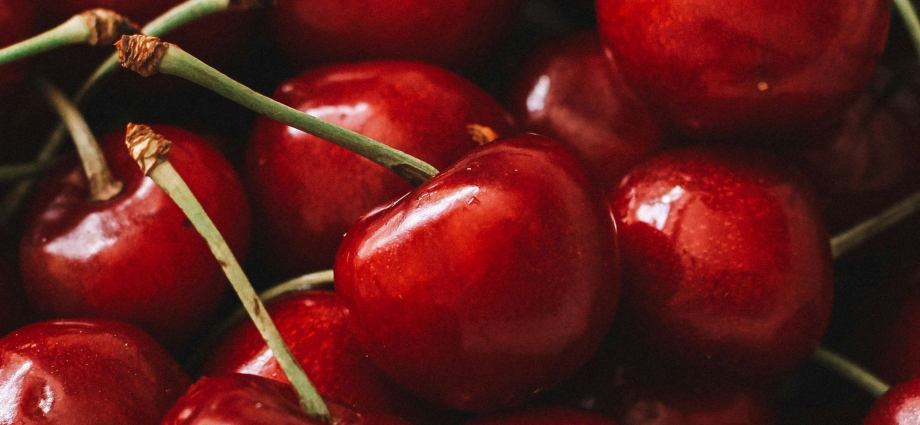
Nearly all of Michigan’s tart cherry harvest consists of one variety: the Montmorency. It is bright red, slightly translucent when ripe, and delivers that sharp, lip-puckering punch that makes cherry pie worth eating. The Montmorency has been grown in Michigan since the late 1800s, and the state’s agricultural infrastructure — processing plants, cold storage, co-ops — has been built around this single variety for generations. That specialization is a big reason Michigan cherry production is so efficient and so dominant nationally.
Insider Tip: If you want to see the orchards in bloom rather than at harvest, plan your visit for late April to early May. The blossoms cover entire hillsides in white and the smell is extraordinary — like standing inside a perfume bottle, but in the best possible way. Combine it with a drive along M-22 for one of the most scenic experiences in the Midwest.
The Cherry Harvest Season: When to Go
The tart cherry harvest season in Michigan typically runs from mid-July through early August, with peak harvest falling between July 10 and July 25 in most years. The exact timing shifts by a week or two depending on winter severity and spring warmth, but mid-July is your safest bet if you want to see the orchards in full swing.
Harvest Season by the Numbers
| Period | What to Expect | Best Activities |
|---|---|---|
| Late April – Early May | Cherry blossoms at peak | Orchard drives, photography, farm tours |
| Mid-June | Fruit forming, orchards green | Hiking, wine trail visits, beach days |
| July 10 – July 25 | Peak tart cherry harvest | U-pick farms, National Cherry Festival, farm stands |
| Late July – Early August | Late harvest, sweet cherries winding down | Farm markets, processing plant tours, festivals |
| August onward | Post-harvest, farm stands stocked | Buying dried cherries, jams, and juice in bulk |
I cannot overstate how fast the window closes. Mechanical harvesters can strip an entire orchard in hours once the fruit is ready, so if you want to experience the harvest energy firsthand, book your trip for early-to-mid July and keep an eye on local farm social media for updates.
Traverse City: The Heart of the Michigan Tart Cherry Capital
No conversation about the Michigan tart cherry capital is complete without talking about Traverse City. The Traverse City cherry capital designation is not just marketing — it is earned. The city sits at the southern tip of Grand Traverse Bay, surrounded by the cherry-growing counties that supply most of the nation’s tart cherry crop. Downtown Traverse City embraces cherry culture year-round: cherry-infused cocktails at local bars, cherry BBQ sauce at restaurants, cherry jam at every farm market stall.
Getting Around Cherry Country
The best way to explore cherry country is by car. The M-22 corridor — a scenic highway that loops around the Leelanau Peninsula — passes directly through some of the most productive orchard land in the state. You will smell the fruit before you see the trees in July. Pull over at any roadside stand and the cherries will be cheaper and fresher than anything you will find in a grocery store 500 miles away. While you are in the area, the Sleeping Bear Dunes are just a short drive south and make a perfect half-day addition to any cherry country itinerary.
Insider Tip: Stop at the Cherry Republic store in Glen Arbor. It is part gift shop, part tasting room, and entirely devoted to cherry products. Try the cherry salsa before you buy — it sounds wrong and tastes absolutely right. Pick up a bag of dark chocolate-covered dried cherries for the road. You will finish them before you hit Traverse City.
Michigan Cherry Farms to Visit
Michigan cherry farms range from small family operations running U-pick programs to massive commercial orchards that supply processors across the country. For visitors, the U-pick experience is the most memorable. You wade into the rows with a bucket, pop cherries straight off the tree — tart enough to make your eyes water in the best way — and leave with more fruit than you planned to buy.
Top Farm Experiences Near Traverse City
Omena’s Leelanau Fruit Company, Gallagher’s Farm Market, and King Orchards in Central Lake are among the most visitor-friendly Michigan cherry farms. King Orchards runs a particularly good U-pick operation and their dried cherry selection is exceptional. Many farms along the Leelanau Peninsula also grow wine grapes, so a visit can easily turn into a full afternoon on the Michigan wine trail. Most U-pick farms charge by the pound and supply containers — just call ahead to confirm the harvest is open before making the drive.
The National Cherry Festival
The National Cherry Festival in Traverse City is one of the largest food and cultural festivals in the Midwest, drawing 500,000 visitors over eight days in early July. The festival typically runs the first full week of July, which aligns beautifully with the lead-up to peak harvest. Events include cherry pie eating contests, live music, a grand parade, an air show over Grand Traverse Bay, and more cherry-themed food than you thought possible — cherry-glazed ribs, cherry lemonade, cherry wine, cherry ice cream.
If you are planning a family trip, this is one of the best Michigan with kids experiences in the entire state. The festival grounds are walkable, there is programming for all ages, and the energy along the waterfront is genuinely electric. Book lodging months in advance — Traverse City fills up fast during festival week.
Cherry Products, Food, and What to Buy
Michigan’s tart cherry industry does not stop at fresh fruit. The vast majority of the harvest — around 95 percent — is processed into dried cherries, cherry juice, cherry concentrate, canned cherries, and frozen cherries. These products supply the baking, brewing, and health food industries nationwide. Tart cherry juice in particular has exploded in popularity among athletes and health-conscious consumers for its reported anti-inflammatory properties.
What to Bring Home
When I make the drive up to cherry country, I always leave room in the car for dried Montmorency cherries (far superior to anything in a grocery store chain), cherry butter (it is like apple butter but more interesting), and at least one bottle of cherry wine from a local winery. The Michigan wine trail runs right through cherry country, and several wineries produce a cherry wine that is dry, complex, and nothing like the saccharine versions you might have tried elsewhere. Pure Michigan’s travel site at Pure Michigan maintains a current list of farm markets and festivals if you want to plan around specific events.
Plan Your Cherry Country Trip
Cherry country is easy to combine with the broader northwestern Michigan experience. The region offers some of the best Lake Michigan beaches in the state, with warm sand and clear water that genuinely rivals anything you would find further south. A solid Michigan road trip itinerary might start in Traverse City, loop the Leelanau Peninsula on M-22, swing through Sleeping Bear Dunes, and end with a night or two near Mackinac Island before heading home.
Where to Stay
Traverse City has solid hotel options downtown, but the surrounding area has some remarkable Michigan glamping experiences and Michigan cabin rentals that put you right in the middle of orchard and forest country. Waking up to birdsong and the smell of cherry trees in the morning is one of those experiences that sounds clichéd until you actually do it.
Frequently Asked Questions
Why is Michigan the tart cherry capital of the United States?
Michigan produces approximately 70 percent of all tart cherries grown in the United States, primarily due to the moderating influence of Lake Michigan on the climate of the northwestern Lower Peninsula. The lake prevents extreme temperature swings, protecting cherry blossoms from late frosts and creating ideal growing conditions for the Montmorency variety.
When is tart cherry harvest season in Michigan?
Tart cherry harvest in Michigan typically runs from mid-July through early August, with peak harvest falling between July 10 and July 25 in most years. Timing varies slightly depending on spring and summer weather conditions.
What is the National Cherry Festival and when does it take place?
The National Cherry Festival is an annual eight-day celebration held in Traverse City, Michigan, during the first full week of July. It features parades, live music, an air show, cherry-themed food vendors, and family-friendly events drawing around 500,000 visitors each year.
Can you pick your own cherries at Michigan cherry farms?
Yes, many Michigan cherry farms offer U-pick experiences during harvest season, typically in mid-to-late July. Popular options include King Orchards near Bellaire and several farms along the Leelanau Peninsula. It is always a good idea to call ahead to confirm the harvest is open before visiting.
What cherry products can you buy in Michigan?
Michigan cherry farms and markets sell fresh cherries, dried Montmorency cherries, cherry butter, cherry jam, cherry juice and concentrate, cherry wine, cherry salsa, and chocolate-covered cherries, among many other products. The Cherry Republic stores in Glen Arbor and Traverse City are excellent one-stop shops for cherry gifts and specialty foods.
Is Traverse City worth visiting outside of cherry season?
Absolutely. Traverse City is a year-round destination with excellent restaurants, wineries, beaches, and access to Sleeping Bear Dunes National Lakeshore and numerous Michigan hiking trails. Cherry blossom season in late April and early May is another spectacular time to visit even before the fruit is ready.
Northern Michigan’s cherry country is one of those places that earns a return visit every single time. Whether you come for the Michigan tart cherry capital experience during harvest season, the spectacle of the National Cherry Festival, or simply the combination of stunning scenery and great food, this corner of the state delivers. Pair your cherry country trip with a stop at the Sleeping Bear Dunes, a day exploring Lake Michigan beaches, or a longer loop that takes you up toward Mackinac Island and the Upper Peninsula. Michigan cherry production is a genuine agricultural wonder, and experiencing it firsthand — sticky fingers, tart-sore tongue, and all — is one of the most authentically Midwestern things you can do all summer. You can find more inspiration for your trip across Michigan hidden gems, Michigan state parks, and our full list of free things to do in Michigan this season.