Holland Michigan Has the Largest Dutch Community Outside Netherlands
The Holland Michigan Dutch community is one of the most extraordinary cultural pockets in the entire Midwest, and the moment you cross into this Lake Michigan shoreline city, you feel it. I visited on a crisp May morning and was genuinely stopped in my tracks by the smell of fresh tulips and warm stroopwafels drifting from a bakery window. Founded in 1847 by Dutch Reformed Church immigrants led by Reverend Albertus Van Raalte, Holland has grown into a city that doesn’t just remember its Dutch roots — it lives them every single day.
From the hand-painted wooden clogs in shop windows to the working 250-year-old windmill spinning against a blue Michigan sky, this is a place where Dutch culture Michigan-style runs deeper than any theme park could fake. Whether you’re planning a weekend escape or a full family road trip, Holland belongs at the top of your Michigan bucket list.
The History Behind the Holland Michigan Dutch Community
When Reverend Van Raalte led a small group of Dutch Separatists through the dense Ottawa County forests in the winter of 1847, he wasn’t looking for a tourist attraction. He was looking for freedom. The group had fled religious persecution in the Netherlands, and the shores of Lake Michigan offered them exactly the flat, marshy terrain that reminded them of home. What they built from that frozen starting point became the most concentrated Dutch community Michigan has ever seen — and, by most accounts, the largest outside the Netherlands itself.
Why Holland, Michigan Specifically?
The geography wasn’t accidental. The flatlands along Lake Macatawa were ideal for the same agricultural traditions settlers had practiced for generations back in the Netherlands. The soil supported tulip bulbs. The waterways allowed commerce. Within a generation, the city had Dutch Reformed churches on nearly every corner, Dutch-language newspapers, and an economy built on furniture manufacturing that would eventually make western Michigan one of the most important furniture production regions in the country.
Today, roughly one-third of Holland’s population can trace direct lineage back to the Netherlands. Dutch surnames like DeVos, VanderMolen, and Boersma fill the local phone book and the city council chambers alike. The Holland Michigan Dutch heritage here isn’t a performance — it’s a lived identity passed down across six, seven, and sometimes eight generations.
Windmill Island Gardens: The Heart of Dutch Heritage
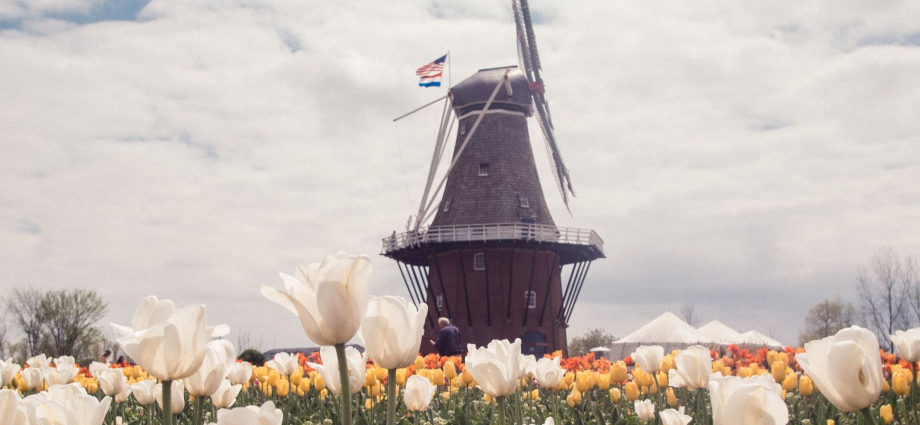
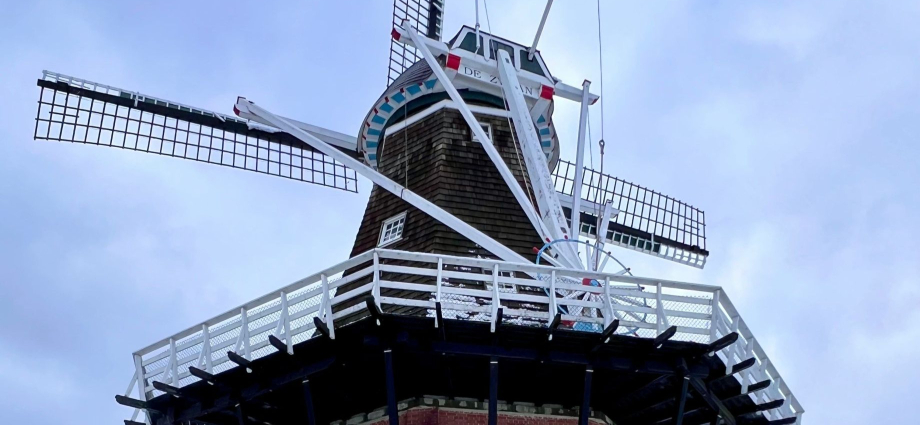
If you visit only one place in Holland, make it Windmill Island Gardens. I’ll be honest — I expected a kitschy tourist trap, and I walked away completely converted. The centerpiece is De Zwaan, which translates to “The Swan,” a fully functional Dutch windmill that dates to around 1761. It is the only authentic, operating Dutch windmill in the United States, and watching its 12,000-pound sails turn against the sky while standing among six million blooming tulips is something your phone camera cannot fully capture.
What to See and Do at Windmill Island
De Zwaan still grinds flour, and you can buy a small bag of that flour in the gift shop — I made Dutch pancakes with mine the following weekend and they were legitimately wonderful. Beyond the windmill, the island features Dutch carousel rides, klompen dancing demonstrations on weekends, and meandering canal-side paths that feel remarkably like photos I’ve seen of the Dutch countryside. Plan at least two hours here, more if you’re visiting during peak tulip bloom in early May.
Insider Tip: Arrive at Windmill Island Gardens right when it opens at 9:30 a.m. The morning light hitting De Zwaan from the east is absolutely stunning for photos, and the crowds don’t build until after 11. Weekday visits in early May are your best bet for elbow room among the tulip beds.
Tulip Time Festival: Holland’s Crown Jewel Event
Tulip Time Holland Michigan is not just a festival — it is an annual emotional reset for the entire state. Held every May, typically during the first full week of the month, the festival draws more than 500,000 visitors over eight days to see the city’s five million tulips reach full bloom simultaneously. Entire city blocks are planted with bold rows of red, yellow, purple, and white tulips that stretch as far as you can see. It’s one of the top five flower festivals in the entire world, a designation it has held for decades.
Festival Highlights You Shouldn’t Miss
The Dutch Marketplace along Eighth Street is where I spent way too much money on Dutch cheeses, hand-painted ceramics, and a pair of miniature wooden clogs that now live on my desk. The Volksparade — a Dutch street-scrubbing parade that sounds bizarre but is completely delightful — involves costumed residents literally cleaning the streets with brooms and buckets before traditional folk dancers fill the same space. Evening concerts, art shows, and craft beer gardens (because this is still Michigan, after all) round out a schedule that can keep you busy for a full long weekend.
Insider Tip: Book your accommodations for Tulip Time Holland Michigan at least four to six months in advance. The entire city sells out, and nearby towns like Saugatuck fill up almost as fast. If you’re visiting last-minute, consider making it a day trip from Traverse City or Grand Rapids rather than scrambling for a room.
Dutch Food, Shops, and Everyday Culture in Holland
The Dutch community Michigan has cultivated in Holland isn’t confined to festival season. Walk Eighth Street on any given Tuesday in October and you’ll still find Dutch bakeries selling poffertjes — those tiny, pillowy Dutch pancakes dusted with powdered sugar — and Dutch import shops stocking Delft blue pottery alongside Gouda wheels the size of small tires. The smell of warm caramel from fresh stroopwafels is one of the great simple pleasures I’ve found anywhere in Michigan.
Must-Try Foods and Shops
Alpenrose Restaurant has been serving Dutch and German comfort food since 1958, and their stamppot — a hearty mashed potato dish mixed with kale and smoked sausage — is everything you want after a cold morning on the lakefront. For sweets, New Holland Brewing Company blends Michigan craft brewing culture with Holland’s identity in a way that works seamlessly. And if you want to take a piece of Dutch heritage home, the Wooden Shoe Factory lets you watch actual wooden clogs being carved from basswood blocks, a surprisingly hypnotic process that kids absolutely love.
Holland Michigan Dutch Heritage vs. Other Michigan Cultural Destinations
Michigan is genuinely one of the most culturally layered states in the country, and it helps to understand where Holland fits in the larger picture. Here’s a quick comparison of some of Michigan’s most distinctive cultural destinations:
| Destination | Cultural Identity | Best Season to Visit | Top Attraction |
|---|---|---|---|
| Holland, Michigan | Dutch heritage, tulip culture | May (Tulip Time) | Windmill Island Gardens / De Zwaan |
| Frankenmuth | Bavarian German heritage | Year-round / Christmas season | Bronner’s Christmas Wonderland |
| Mackinac Island | Victorian-era Great Lakes history | June through August | Fort Mackinac / fudge shops |
| Detroit | Motown, auto industry, multicultural arts | Summer / fall | Detroit Institute of Arts / Eastern Market |
| Sleeping Bear Dunes | Glacial landscape / Ojibwe legend | Summer | Dune Climb / Pierce Stocking Scenic Drive |
Planning Your Visit to the Holland Michigan Dutch Community
Holland sits along the eastern shore of Lake Michigan about 30 miles southwest of Grand Rapids, making it one of the more accessible day trips or weekend destinations in the Lower Peninsula. US-31 runs right through town, and the drive from Chicago takes about two and a half hours on a good traffic day.
Best Times to Visit
May is the obvious answer for anyone chasing tulip season and Tulip Time Holland Michigan’s full festival experience. But I’d argue that September through October is Holland’s most underrated season — the tourist traffic drops, the weather stays warm enough for Lake Michigan beaches, and the fall colors around Lake Macatawa are genuinely spectacular. Winter brings its own charm when the Holland Dutch heritage shows up in Christmas markets and Dutch holiday traditions.
Where to Stay and What to Bring
Downtown Holland has a solid mix of boutique inns and larger hotels within walking distance of Eighth Street. If you prefer something with more personality, Saugatuck — just a short drive south — offers charming bed-and-breakfasts that book up fast in summer. Pack comfortable walking shoes. The best of Holland is experienced on foot, and the cobblestone sections of downtown are beautiful but unforgiving on flimsy sandals. For a longer western Michigan adventure, consider pairing Holland with a Michigan road trip up the Lake Michigan coast toward Traverse City or all the way to Pictured Rocks in the Upper Peninsula.
For officially curated Michigan travel resources, Pure Michigan maintains up-to-date event calendars and regional travel guides that are worth bookmarking before any trip.
Frequently Asked Questions
Is the Holland Michigan Dutch community the largest Dutch settlement outside the Netherlands?
Holland, Michigan is widely recognized as the largest concentration of Dutch-descended residents in the United States and is often cited as the largest Dutch community outside the Netherlands. Roughly one-third of Holland’s population has direct Dutch ancestry, and the cultural institutions, architecture, and traditions here reflect that heritage in ways that go far beyond surface-level tourism.
When is Tulip Time Holland Michigan held each year?
Tulip Time Holland Michigan typically takes place during the first full week of May, though exact dates shift slightly each year based on when the calendar falls. The festival runs for about eight days and coincides with peak tulip bloom across the city’s five million planted tulips. Check the official Tulip Time website for current year dates before booking.
Is Windmill Island Gardens worth visiting outside of Tulip Time?
Absolutely. Windmill Island Gardens is open from early May through late October, and while the tulip bloom is most spectacular in early May, the gardens are beautiful throughout the season. De Zwaan, the authentic 1761 Dutch windmill, operates and offers tours all season long, making it worth a visit any time the gardens are open.
What other Dutch heritage experiences can I find in Holland, Michigan?
Beyond Windmill Island and Tulip Time, Holland’s Dutch heritage shows up in the Wooden Shoe Factory, the Holland Museum’s Dutch galleries, the architecture of Hope College (founded by Dutch settlers), Dutch bakeries and restaurants along Eighth Street, and the many Dutch Reformed churches that anchor nearly every neighborhood in the city.
How far is Holland, Michigan from other popular Michigan destinations?
Holland is about 30 miles southwest of Grand Rapids, roughly 90 miles north of the Indiana border, and about 2.5 hours from Chicago. It’s a natural stop on any western Michigan road trip along the Lake Michigan shoreline, sitting between the dune towns to the south and the fruit belt communities to the north.
Holland, Michigan is one of those places that earns its reputation honestly — every tulip bed, every spinning windmill sail, every bite of warm stroopwafel is the real thing, rooted in nearly 180 years of unbroken Dutch community Michigan heritage. Whether you’re making a special trip for Tulip Time Holland Michigan or simply passing through on a bigger Michigan road trip, you owe it to yourself to spend at least a full day here. And if the Lake Michigan shoreline pulls you north afterward, you’re well positioned to explore the best Lake Michigan beaches, hike through Sleeping Bear Dunes, or venture all the way up to the Upper Peninsula for a completely different side of Michigan. Families will want to check out our full list of the best things to do in Michigan with kids, and budget-conscious travelers should browse our picks for free things to do in Michigan before finalizing any itinerary. However you build your trip, the Holland Michigan Dutch community will be one of the highlights you talk about longest after you’ve come home.